Skip to content
Ant Pest Control Services in Long Island

Ant Exterminators on Long Island

Looking for reliable ant exterminators near you?

Your Local Ant Control & Extermination Experts

Servicing Nassau County | Western Suffolk County

Seeing ants in your kitchen, bathroom, or along baseboards usually means there’s a nest nearby — not just a few strays. Sprays may kill what you see, but they don’t solve why ants keep coming back.

At EM Pest Control, we take a prevention-first approach. Our technicians identify entry points, nesting areas, and attractants so ant activity is stopped at the source — not just temporarily masked.

EM Pest Control is a Long Island pest control company providing professional ant extermination services in Nassau County and Western Suffolk County. We treat common local ant problems including carpenter ants, odorous house ants, and pavement ants by identifying the species, locating nesting activity, and tailoring treatment to the source of the infestation.

✔ Targeted treatment
✔ Long-term prevention
✔ Local technicians who know Long Island homes and businesses

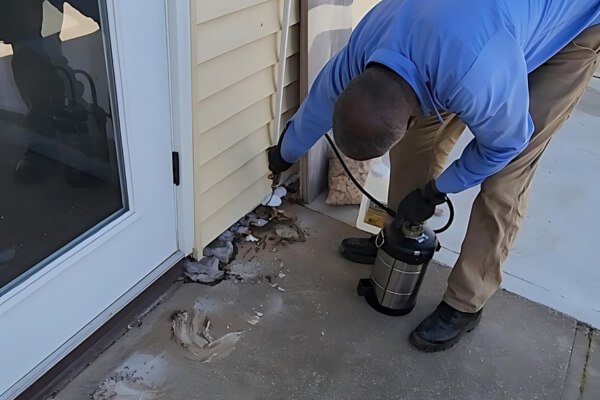
outdoor treatment

How We Handle Ant Problems

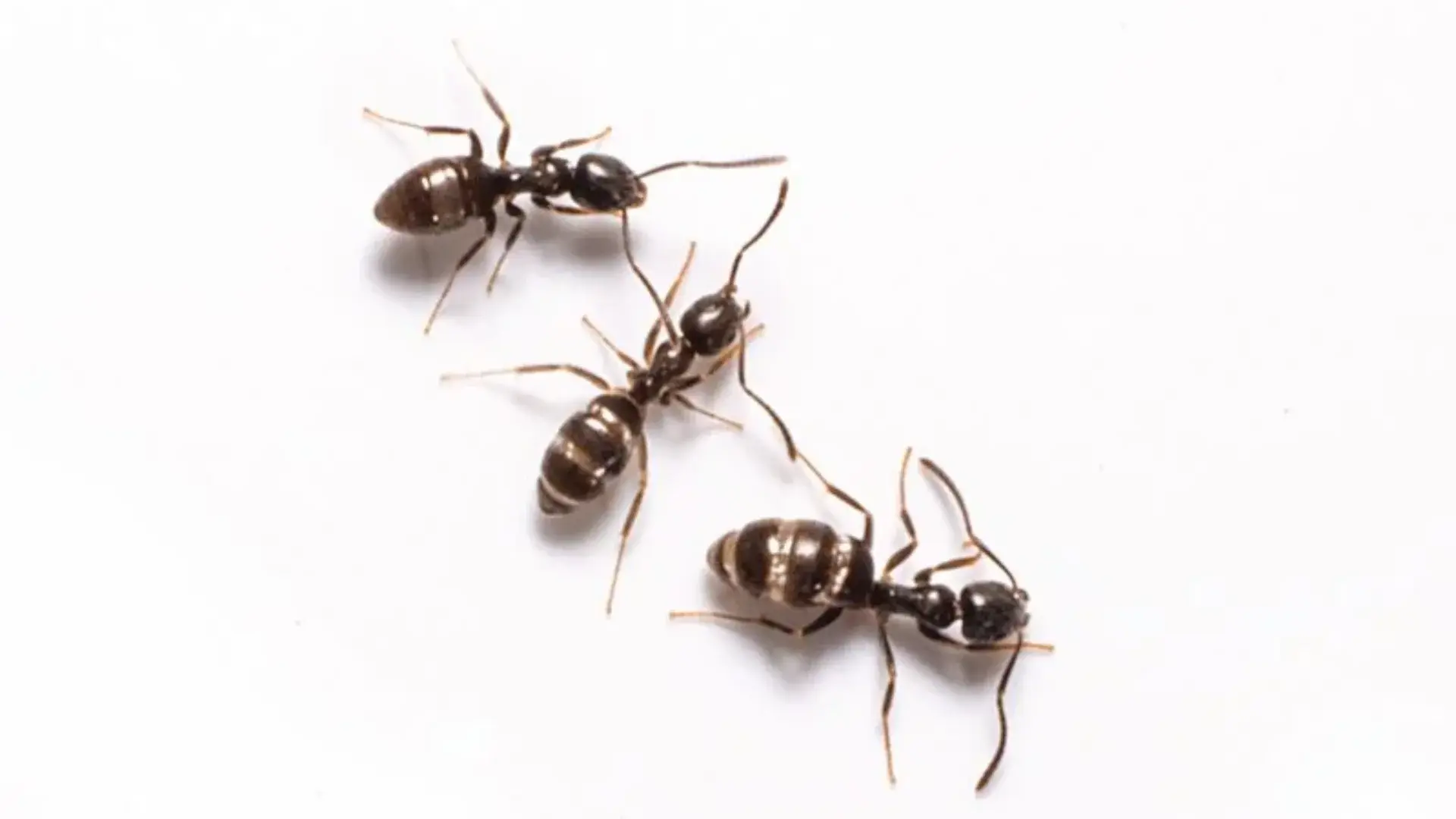
1. Inspection and Identification: We inspect the affected areas, identify the ant species, and look for nesting behavior, activity trails, and likely entry points.

2. Targeted Colony Treatment: Depending on the species and conditions, treatment may involve baiting, non-repellent applications, or targeted treatment of active areas to address the colony at its source.

3. Entry Point and Attractant Control: We look for the conditions drawing ants in, including moisture issues, food sources, and structural gaps.

4. Prevention and Follow-Up: We provide recommendations and follow-up guidance to help prevent recurring activity after treatment.

This approach is designed to stop the cycle, not just knock it down temporarily.

Why Ants Keep Coming Back in Long Island Homes

Ant infestations on Long Island are often driven by a combination of moisture, food access, and structural entry points. Many properties have small foundation gaps, aging window frames, or landscaping that creates easy access for ants.

Once a colony finds a reliable food or water source, it creates scent trails that other ants follow. Even if visible ants are eliminated, the colony continues producing more workers—leading to repeated activity in the same areas.

This is why surface treatments alone rarely solve the problem long-term.

ant control 4-1

Signs You May Have an Ant Infestation

Ant problems aren’t random. When ants find food, moisture, or an entry point, they establish scent trails and keep returning until the colony is addressed — which is why surface sprays rarely stop the problem long term.

Same Spot, Same Time

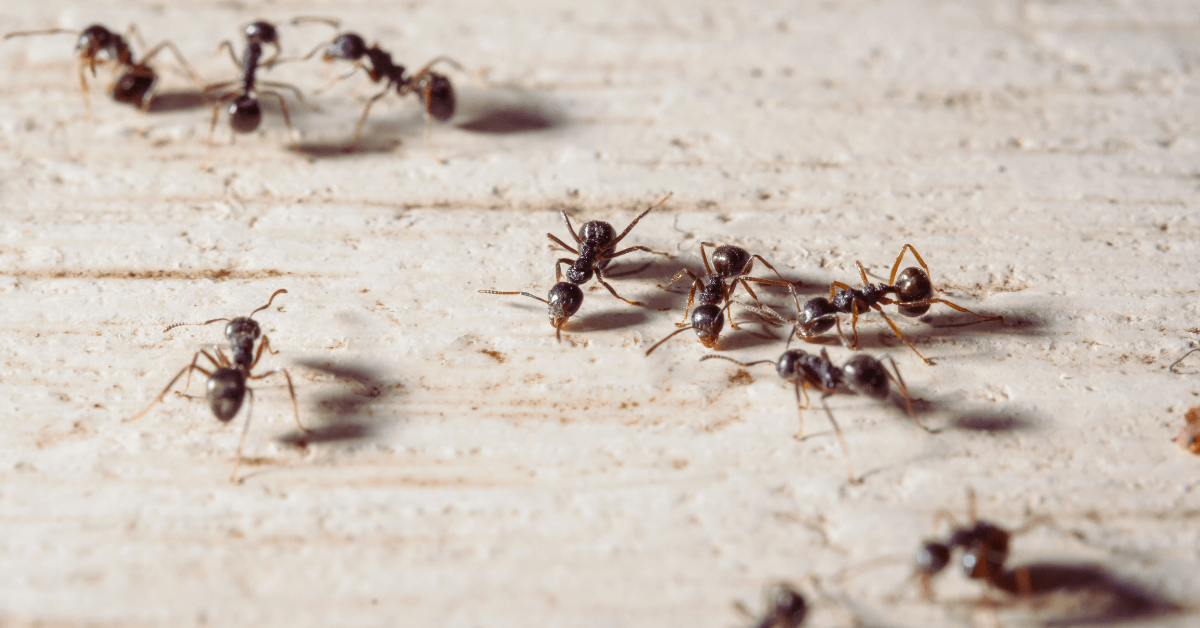
Ants showing up in the same area daily often indicates an established trail—not random activity.

Coming From Cracks or Gaps

Ants emerging from tiny openings near windows, doors, or baseboards usually means a nearby nest or entry point.

Food + Moisture Hotspots

Kitchens, pantries, sinks, pet bowls, and trash areas are common activity zones once ants find a reliable source.

Worse After Rain or Heat

Weather shifts can push ants indoors—often revealing colonies that were already established outside.

Carpenter Ant Warning Signs

Soft wood, debris near trim, or faint rustling inside walls can point to carpenter ants and moisture issues.

Need an Ant Exterminator?

Common Ant Problems We Treat

Different ants behave differently — treatment should match the species.

Carpenter Ants: A Structural Warning Sign

Carpenter ants tunnel through wood to build nests, often targeting moisture-damaged areas like window frames, decks, and wall voids. Unlike termites, they do not eat wood, they excavate throught it causing structural damage over time if the colony is left untreated.

Why it matters: Killing visible ants won’t eliminate hidden nests.

Odorous Ants: The Kitchen Invaders

Odorous house ants often nest inside wall voids, beneath floors, and near moisture sources. They spread quickly through a home and are known for the strong odor they release when crushed, making proper identification and targeted treatment important.

Why it matters: DIY sprays usually make them spread.

Pavement Ants: Entering From the Foundation

Pavement ants typically nest under sidewalks, driveways, slabs, and foundations. Once they find food or moisture, they can move indoors and establish persistent activity in kitchens, pantries, and other common problem areas.

Why it matters: Indoor treatment alone won’t reach the colony.

 Why Identification Matters

Treating the wrong species can push colonies deeper into the structure or cause ants to relocate. Different ants respond differently to baiting, non-repellent treatments, and exterior control strategies.

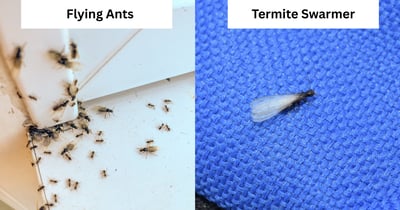
 Not sure whether you’re dealing with flying ants or termites? Read our guide on how to tell flying ants from termites.


What You Can Do to Prevent Ant Infestations

While professional treatment is often needed to eliminate established ant colonies, there are steps homeowners can take to reduce conditions that attract ants in the first place.

Seal Entry Points

We often find ants entering through tiny cracks around doors, windows, siding, and foundations. Sealing these gaps helps limit access.

Reduce Moisture

Ants are drawn to water sources. Fix leaks, wipe down damp areas, and keep sinks, basements, and crawl spaces as dry as possible.

Limit Food Access

Clean up crumbs, store food in sealed containers, and avoid leaving pet food out overnight. Trash should be sealed and emptied regularly.

Keep Exterior Areas Clear

Trim back vegetation touching the home and avoid piling mulch, firewood, or debris directly against the foundation.

Avoid Overusing Sprays Indoors

Spraying visible ants can disrupt trails and cause colonies to spread, often making the problem worse.

Want more prevention tips? Read our guide on how to get rid of ants in your Long Island home.

Learn More Ant Prevention Tips

Ant Control on Long Island

We provide ant extermination services across Nassau County and Western Suffolk County, including areas such as Uniondale, Hempstead, Garden City, Mineola, Hicksville, Massapequa, Babylon, Huntington, Melville, and Amityville.

If you’re searching for a local ant exterminator on Long Island, our team provides targeted service built around the type of ant problem you’re dealing with.

See what clients are saying about our ant control services on Google

"Devon was a pleasure to work with. He handled our ant issue and bee concerns with expert knowledge and a thorough approach. EM Pest Control is friendly, professional, and highly recommended!"

Wendy W.
Hicksville, NY

"I had an infestation of roaches and ants. With one treatment both were contained. I have EM Pest Control come monthly and I no longer have a roach or ant problem. They are very responsive and professional. Would recommend them to anyone."

Jumedia B.
Queens, NY

"Efficient, professional and timely services. Provided detailed information regarding assessment and treatment options. Very courteous and respectful. Would definitely use services again and highly recommend."

Corine B.
Uniondale, NY

Frequently Asked Questions

Pricing depends on the severity of the infestation, the size of the property, and the type of treatment needed.

Ants primarily nest outdoors but will also nest indoors as well. Their favorite nesting sites vary with their species.

  • Carpenter ants prefer to nest in open sunny areas like parks, yards, and golf courses.

  • Odorous house ants prefer to nest in shallow soil beneath stones, boards, logs, mulch, and debris.

  • Pavement ants' nest in the damp soil next to sidewalks, driveways, foundations, and spaces in masonry walls.

As ants move around your yard searching for food and water sources or if the weather becomes too harsh, ants will move indoors through spaces they find in our home’s exterior. Once inside, they nest in wooden structures, walls voids, and insulation.

Yes. We use products applied in targeted areas and according to label guidelines. Our technicians explain what’s being used and where, so you know exactly what to expect.

The most effective approach is identifying the species, locating the source, and addressing the colony rather than only spraying visible ants.

In many cases, ant activity starts to decline within days. Complete control depends on the species involved, nesting locations, and how established the colony is. Some situations require follow-up to fully resolve the problem.

Get A Free Quote Today

Ant Protection for Your Long Island Home Starts Here